Welcome to Việt Võ Đạo International
Ancient paths for a new Way
What is Việt Võ Đạo
In the West, the heritage of these traditions was recovered, updated, and synthesized by International Việt Võ Đạo. The federation was established on November 3, 1973, by Masters Nguyễn Dân Phú, Bùi Văn Thịnh, Nguyễn Trung Hòa, Hoàng Nam, Tasteyre Trần Phước, Phạm Xuân Tòng and Phan Hoàng (in the capacity of President). They developed a common program drawing from the technical background of each founding member; this project constitutes, even today, a fundamental part of Việt Võ Đạo.
Over more than fifty years of history, technical programs have diversified in various countries, while preserving the official emblem designed by Grand Master Phan Hoàng. However, these decades have also enriched Việt Võ Đạo with new experiences and knowledge, thanks to the contribution of the Masters who took care of its dissemination.
Grand Master Nguyễn Văn Việt, pioneer of Việt Võ Đạo in Italy and appointed in 2006 "Vice Chancellor of Việt Võ Đạo Quốc Tế" by Grand Master Phan Hoàng, has reworked the program in agreement with the latter. The objective is to unify the method at a global level, thus facilitating an organic dissemination of both philosophy and technique.
The proposed renewal embraces every aspect of the practice: from fundamental techniques to the introduction of a powerful and original Khí Công (Qi Gong in Vietnamese), up to the deepening of ancient Eastern philosophies and traditional medical principles. To cross borders and infuse new lifeblood into Việt Võ Đạo, a central headquarters has been established in Rome (University of Martial Arts), open to practitioners from all over the world, flanked by a multilingual digital school to accelerate the development of the new technical program.
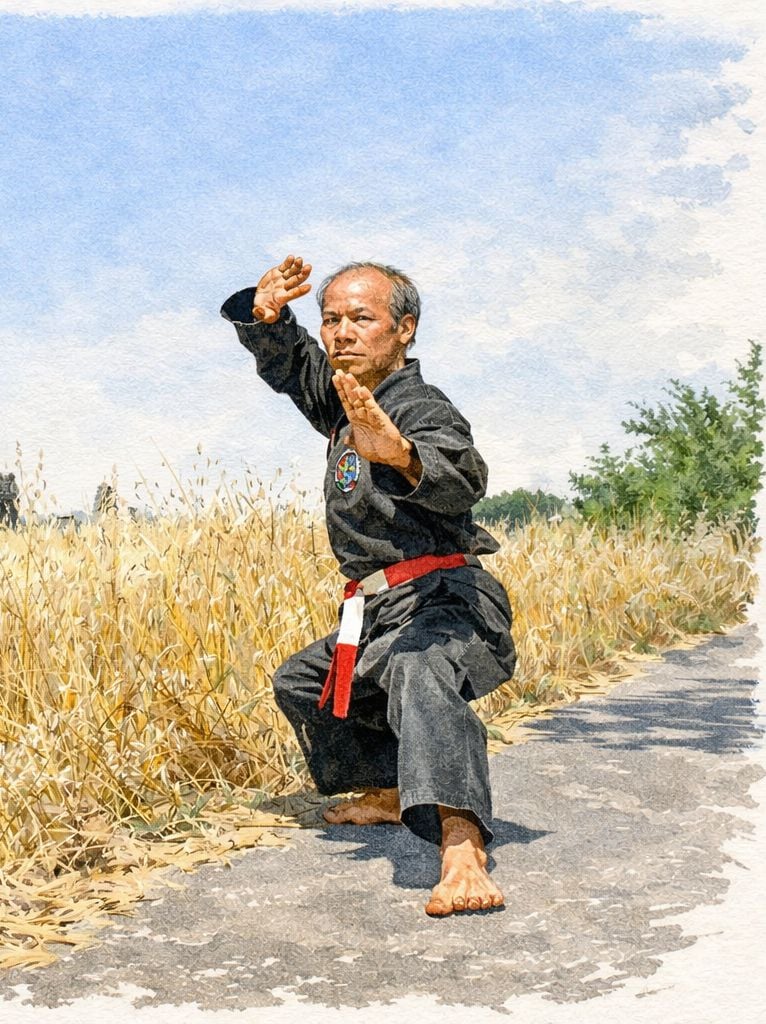
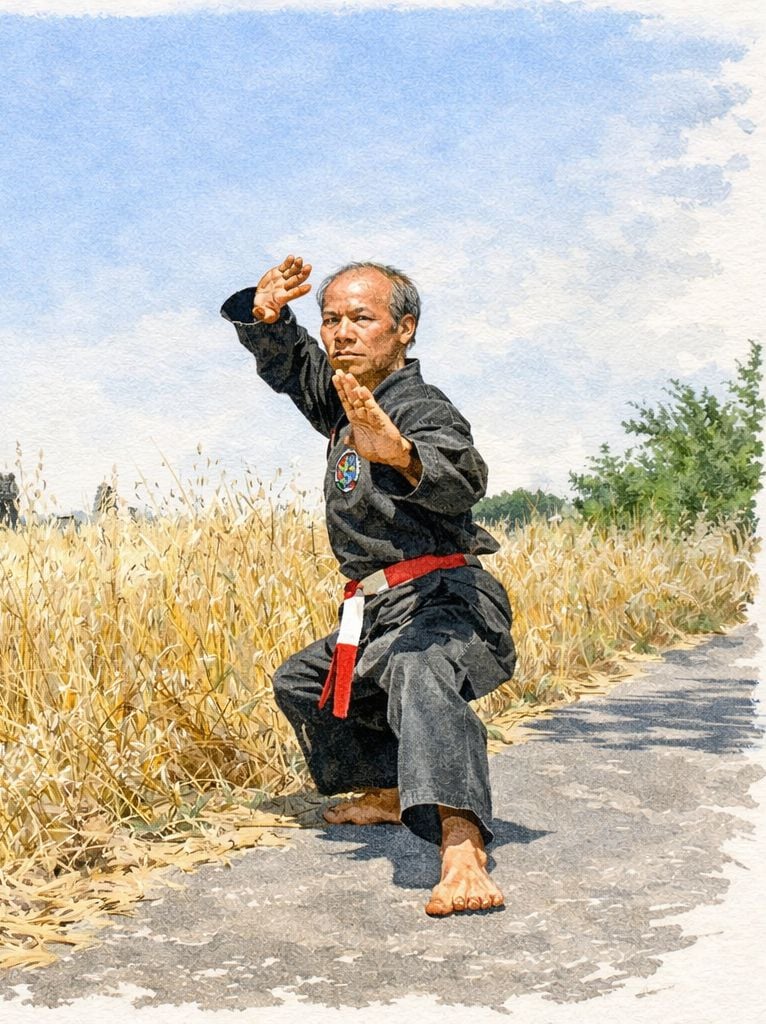
Việt Võ Đạo is defined as a modern synthesis of Vietnamese martial arts schools. It is a comprehensive discipline and an educational movement aimed at developing a balanced and socially integrated human being.
Technical Aspect: It includes Quyền (forms), both empty-handed and with traditional and unconventional weapons, self-defense, in-depth work on kicking techniques, joint locks and dislocations, close combat with grappling and throws, sports practice (sparring and combinatory disciplines), bioenergetic gymnastics, bodyweight preparatory exercises, fundamentals of martial acrobatics, advanced breathing techniques, and mental practices (relaxation, concentration, and meditation).
Methodology: It utilizes a structured and codified teaching method, drawing inspiration from ancient martial practices developed over the centuries, making it suitable for any physique, gender, or age.
Terminological Difference: While in Vietnam the term is often associated specifically with the Vovinam style, in the West "Việt Võ Đạo" refers to the ensemble of Vietnamese martial arts in their entirety.
The Renewal
Those who practice Việt Võ Đạo solely as a technical discipline, without working on ethics, ego control, and the responsible use of force, are not following the "Đạo", but only the "Võ".
The term is composed of three ideograms that define the root and purpose of the art:
Linguistic Breakdown
Việt (越 / 粵)
In modern Vietnamese Việt indicates Vietnam and the Vietnamese people.
From an etymological point of view, the reference is to the Chinese characters:
越 (yuè): to overcome, to go beyond, to transcend
粵 (yuè): ancient name of the Southern Yue peoples
Việt does not only mean “Vietnamese” in a geographical sense, but carries with it the idea of a people of the South who overcome and go beyond, historically and culturally distinct from the Chinese world while in dialogue with it.
Võ (武)
Võ means martial, military, the art of combat.
The chinese character 武 is extremely interesting:
It is composed of 止 (to stop) + 戈 (halberd, weapon)
The original meaning is not “to wage war,” but to stop violence with the necessary force.
Therefore: Võ indicates the ability to put an end to conflict; this is a crucial point that is often taken for granted and misunderstood.
Etimology and Meaning
Đạo (道)
Đạo is perhaps the most profound term.
It derives directly from the Chinese 道 (Dao).
It means:
way
path
ordering principle
natural law
course of life
Here, the connection with Taoism, Confucianism, and Chan/Zen Buddhism is direct.
It does not indicate a technique, but a way of being.


Literal Translation
If we translate in a scholastic manner:
Việt Võ Đạo: The Vietnamese Martial Way
This rendering is formally correct, but remains superficial, as it does not convey the semantic depth of the terms nor the cultural context in which they were born.
Deeper Conceptual Translation
Taking into account the reference Chinese ideograms and the Vietnamese culture that reworked them, a more rigorous and honest reading can be formulated as follows:
The Martial Path to Transcendence
or
The Martial Way of Overcoming (the Self)
These formulations are not literal translations, but conceptual interpretations consistent with the original meaning of the characters and with Asian ethical thought.
A critical point to test
Many practitioners assume that Việt Võ Đạo is simply a Vietnamese fighting style.
This view is reductive and does not hold up to an in-depth linguistic and philosophical analysis.
From an etymological and conceptual point of view:
Võ without Đạo is reduced to technique and physical skill
Đạo without Võ remains an abstraction lacking concrete application;
Việt Võ Đạo, instead, was born to hold together body, ethics, and historical context. The explicit presence of the term Đạo clearly indicates that it is not just a set of techniques, but a path of integral formation of the person.
Connection with Chinese and Vietnamese thought
The Vietnamese language and culture have historically adopted Chinese characters, known as Chữ Hán, while simultaneously developing an indigenous system, Chữ Nôm. This process was not a simple imitation, but an active reinterpretation. From this derive some specific characteristics of the Vietnamese concept of Đạo:
The Vietnamese Đạo is less metaphysical than the Dao of classical Chinese Taoism.
It is more concrete, pragmatic, and linked to survival and adaptation.
It reflects a long history of resistance, flexibility, and response to adverse conditions. In this sense, Việt Võ Đạo does not propose an ideal and abstract Way, but a possible Way, modeled on the historical, social, and environmental circumstances of the Việt people.
Linguistic reliability and reference sources
The concepts expressed are supported by established studies in East Asian linguistics and philosophy. In particular:
The character 武 as a union of 止 and 戈 and as the idea of "stopping violence" is analyzed in:
"François Jullien, Traité de l’efficacité, Grasset (kindle ed.)"
The meaning of 道 Đạo as an ethical path and ordering principle is discussed in:
“Ames and Hall, Dao De Jing A Philosophical Translation, Ballantine Books (kindle ed.)”
The semantic and historical value of 越 Việt as a people of the South and as a concept of crossing and overcoming emerges in:
“Ames and Hall, Dao De Jing A Philosophical Translation, Ballantine Books (kindle ed.)”
The Vietnamese reinterpretation of Chinese characters and of Confucian and Taoist thought is treated in:
“Alexander Woodside, Vietnam and the Chinese Model, Harvard University Press (kindle ed.)”
These sources converge in showing how Việt Võ Đạo is a linguistically and culturally dense expression, not reducible to a simple martial label.
Strength and Utility
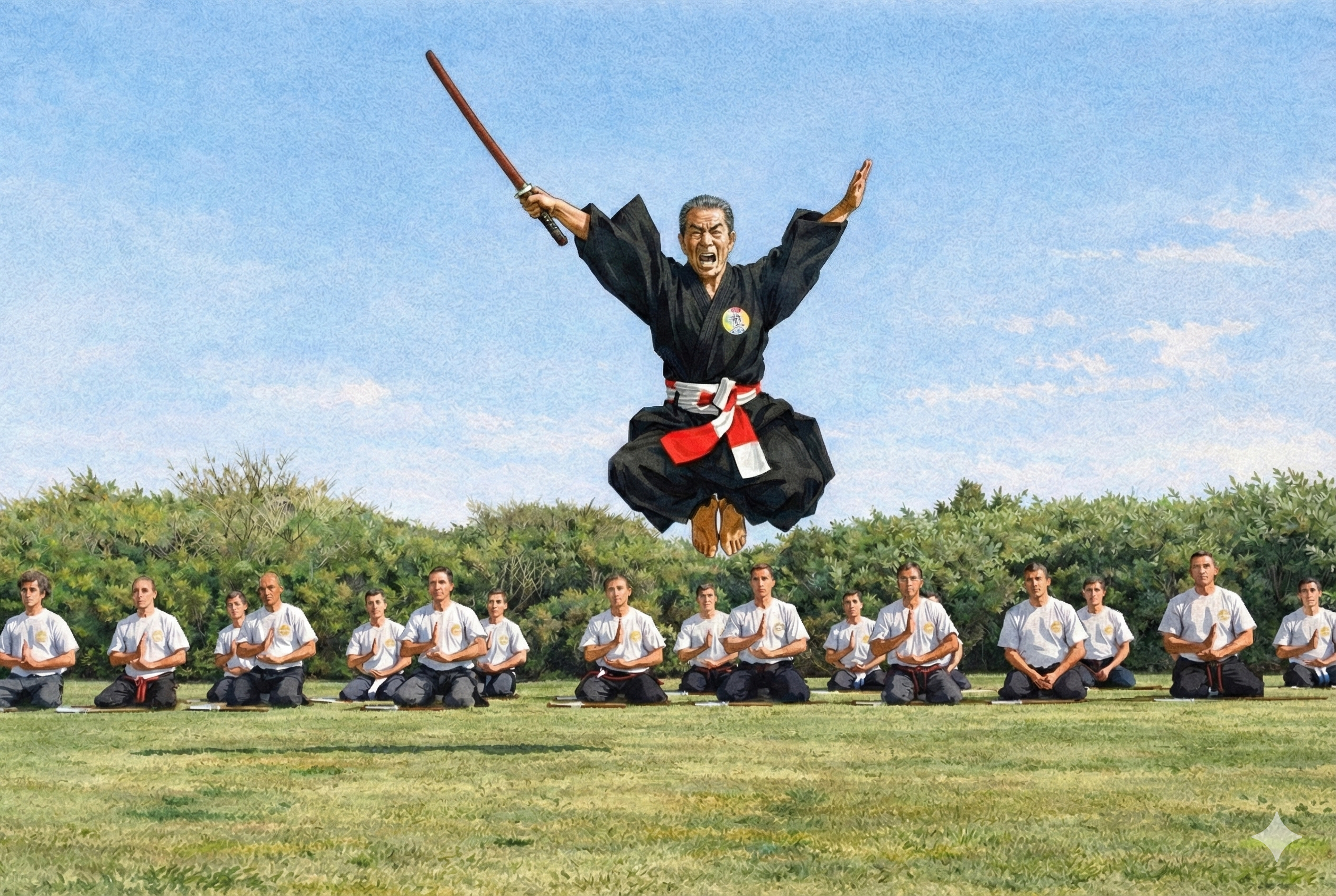
A bridge between Vietnamese martial tradition, education, and global well-being
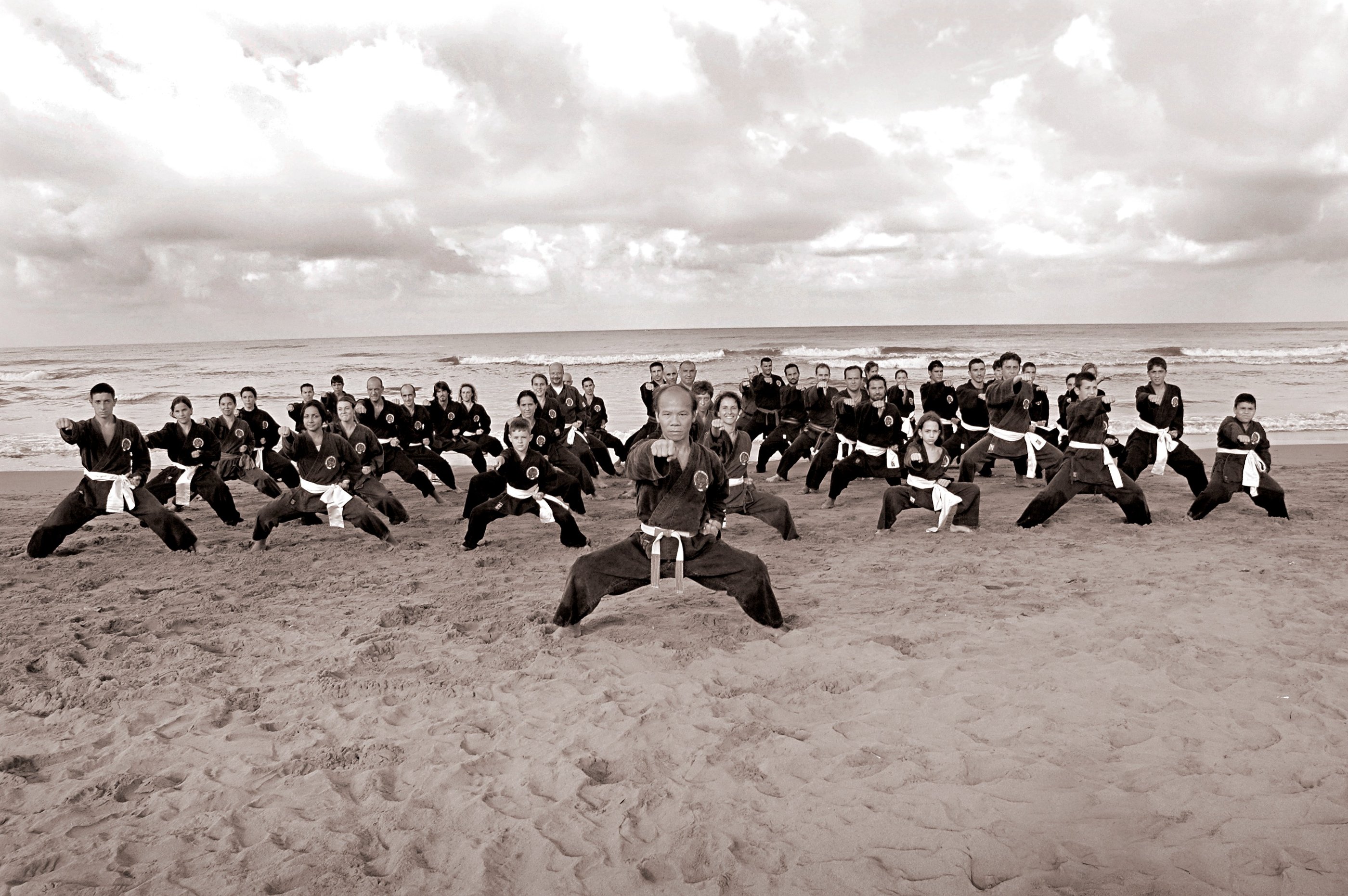
Việt Võ Đạo: Philosophy, Martial Art, and Health
Việt Võ Đạo is not just a self-defense method, but a complete educational system that aims for the formation of the individual in all their dimensions.
1. Philosophical Aspect
The philosophy of Việt Võ Đạo has as its ultimate goal the realization of the "True Man", one who lives in balance with oneself and the surrounding world.
The Fundamental Motto: The guiding principle is "Hùng Mạnh - Hữu Ích" (To be Strong – To be Useful). The strength acquired through training is never an end in itself, but must be put at the service of the community and one's own moral growth.
The Search for Harmony: The essence of the practice lies in the concept of Hài Hòa (Harmony). The practitioner seeks balance between body and mind, avoiding every form of excess and following what is defined as the "Middle Way".
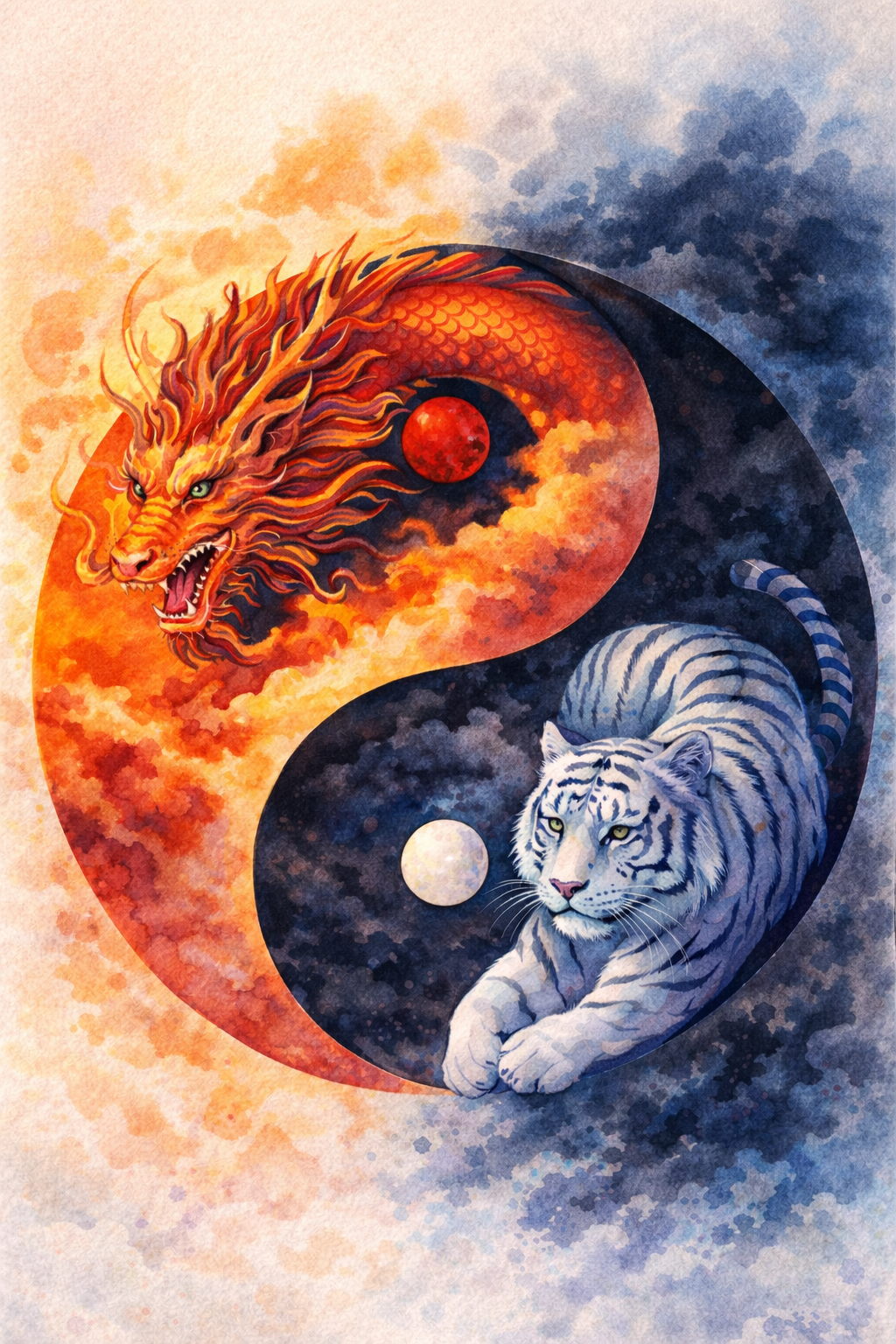
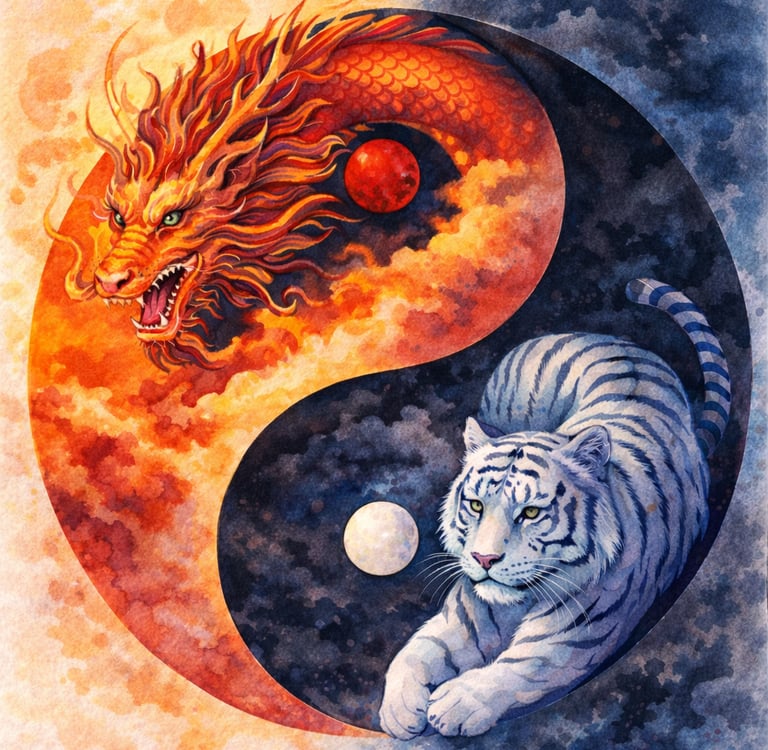
Cosmological Principles: The doctrine is inspired by the interaction between Âm and Dương (opposing and complementary forces) and the theory of Ngũ Hành (Five Elements). These concepts teach that everything is in flux and that the practitioner must know how to adapt to life's changes.
2. Martial Aspect
Vietnamese martial art is an extremely rich and technical system that combines the power of the body with the intelligence of strategy.
Technical Completeness: The system includes a wide range of strikes (punches, kicks, elbows, knees), throws, joint locks, wrestling, and the study of traditional weapons (staff, sword, spear).
The Quyền (Forms): These are sequences of codified movements representing an imaginary fight. Quyền are not simple physical exercises; they serve to transmit tradition and develop fluidity. Many of them draw inspiration from animal movements (such as the Tiger, the Dragon, or the Crane), each with its own specific strategy.
Adaptability and Flexibility: Việt Võ Đạo applies the principle of "softness overcoming strength" (Dĩ Nhu Thắng Cương). Like water, the practitioner does not offer rigid resistance to the opponent's force but deflects it or uses it to their own advantage.
Control and Precision: Martial practice demands constant control of one's movements to ensure that effectiveness never becomes uncontrolled violence.
3. Health Aspect
For Việt Võ Đạo, health is not just the absence of disease, but a state of psychophysical vigor obtained through the correct circulation of energy.
Luyện Khí (Energy Exercise): Fundamental is the study of Khí (vital energy). Through psychophysical techniques, the practitioner learns to accumulate energy in the Đan Điền (abdominal energy center) and distribute it throughout the body
Unity of Tinh, Khí, and Thần: Well-being derives from the union of three elements:
Tinh: Essence and physical vitality.
Khí: Internal energy and breathing.
Thần: Spirit and mental strength.
Physical Benefits: Constant practice improves the flexibility of tendons and joints, strengthens the circulatory and respiratory systems, and increases immune defenses. The softer forms (Nhu Quyền) are particularly indicated for maintaining longevity and inner calm.
Việt Võ Đạo
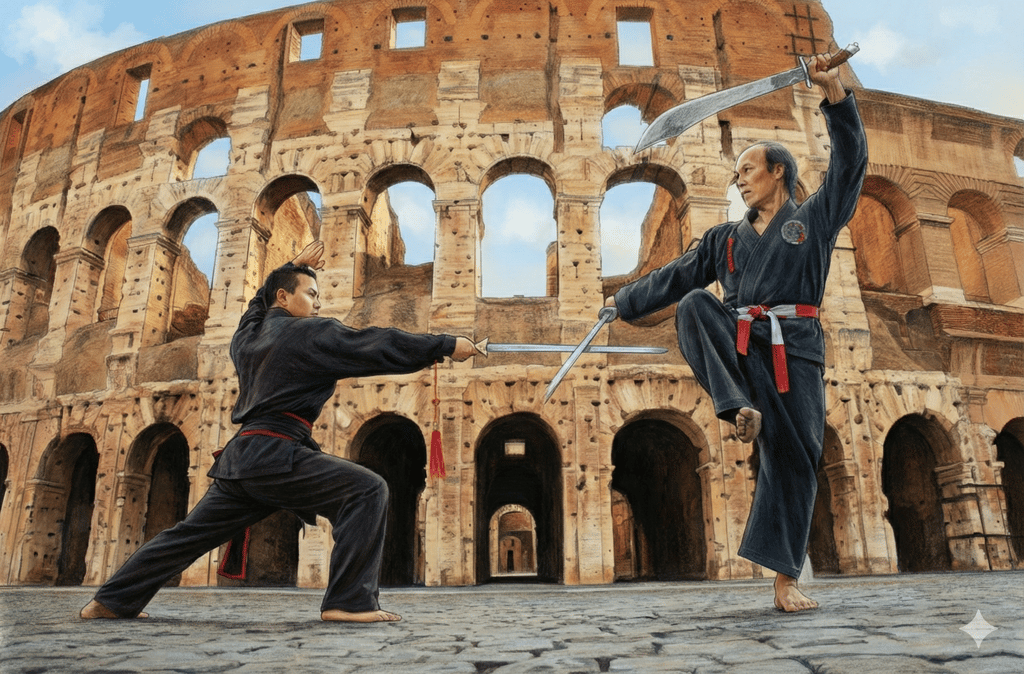
Training that unites technique and spirit, for all ages
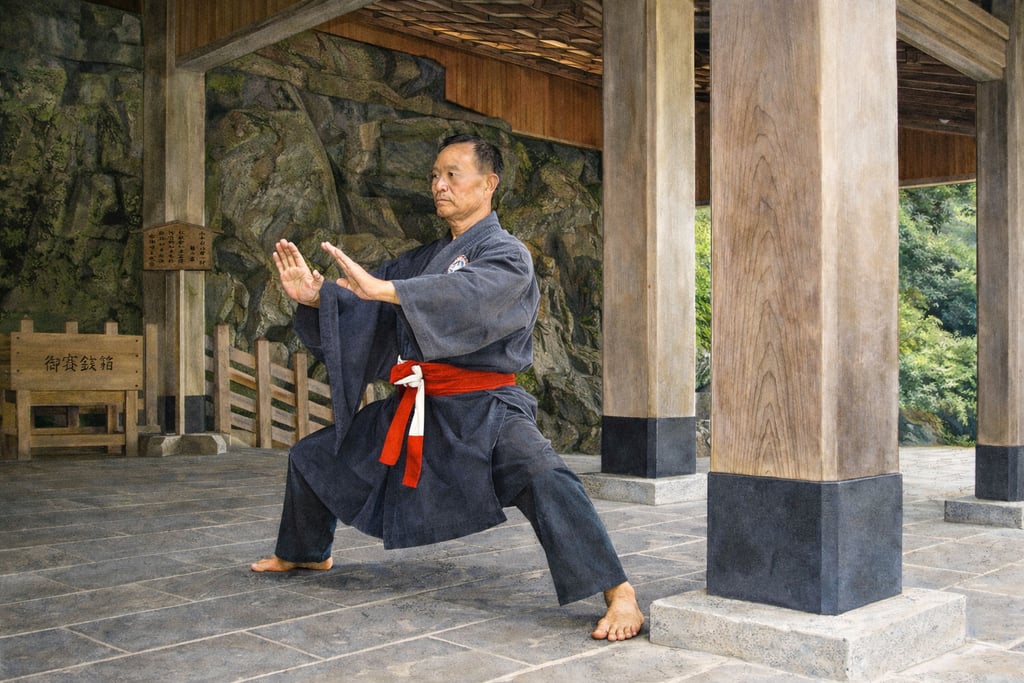
Khí Công
Energy practices for daily physical and mental balance
Events and workshops to immerse yourself in the universe of Vietnamese martial arts
Contacts
Info
SUBSCRIBE TO OUR NEWSLETTER
© 2026. All rights reserved.