
The Roots and Development of Việt Võ Đạo
The Origins:
The Heritage of Traditional Martial Arts
Việt Võ Đạo has its roots in millennia of history, indissolubly linked to the journey of the Vietnamese peoples and their struggles for independence and survival. Originally, martial arts were passed down within villages and families, forming a heritage of popular defense based on the "Humanistic and Martial" philosophy (Nhân Văn – Thượng Võ). Tracing the absolute origins of Vietnamese martial arts (Võ Thuật) means traveling back millennia, long before they were codified into modern styles. Unlike other Asian traditions that boast ancient written documents, Vietnam suffered countless destructions during a millennium of Chinese domination; therefore, the primordial sources are primarily archaeological and historical records documented by third parties.
Here is a timeline of the oldest documented historical references to martial arts in Vietnam:
1. The Bronze Age and the Đông Sơn Drums (approx. 1000 BC - 1st Century AD)
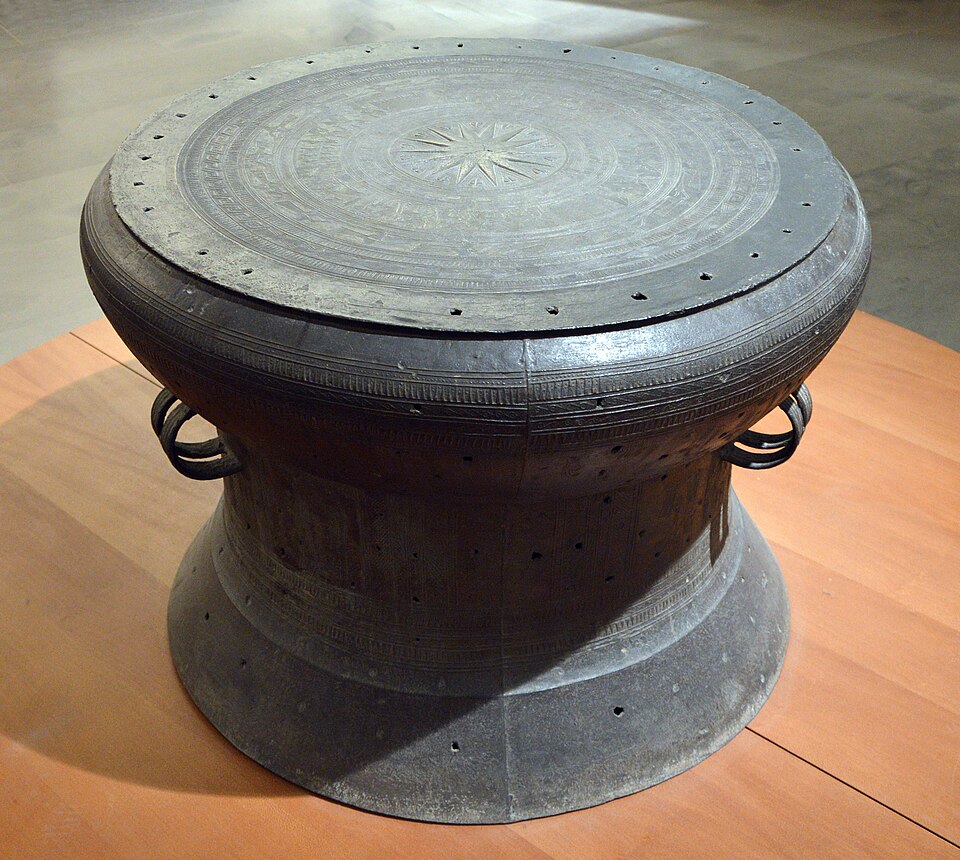
The oldest material evidence of organized combat techniques in Southeast Asia dates back to the prehistoric Đông Sơn culture. The primary source is not a book, but the famous engravings on the Ngọc Lũ bronze drums.
Historical Evidence: Engraved on the bronze surface of these drums are figures of feathered warriors (Lạc Việt) in poses reminiscent of actual martial guards or war dances, wielding axes, spears, and shields. This suggests an early structuring of the art of combat that blended ritual and militarism.
Reference Sources: In-depth studies on the Đông Sơn Culture and its artifacts, or the official archaeological collection of the National Museum of Vietnamese History.
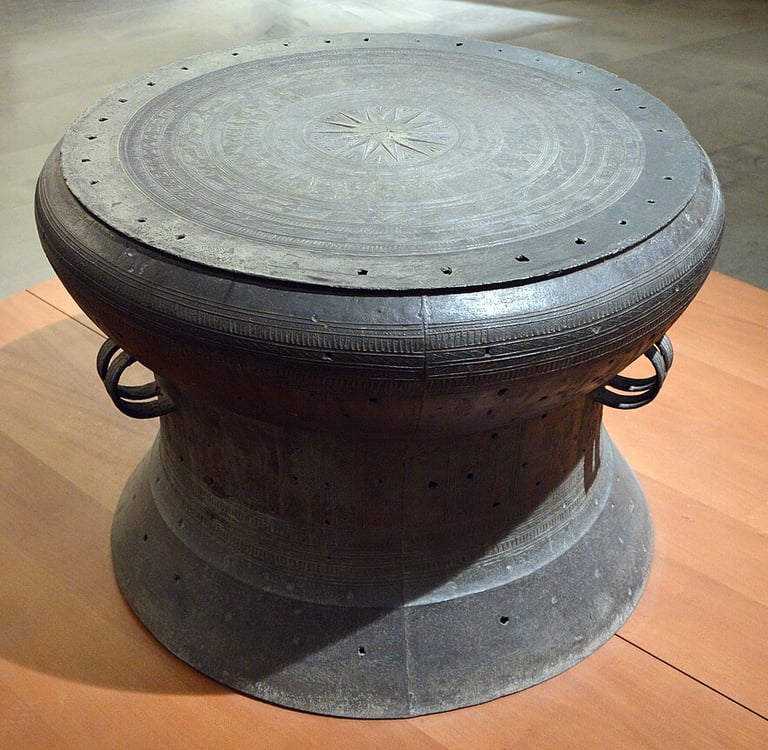
Đông Sơn Bronze Drum
Public Domain, https://commons.wikimedia.org/w/index.php?curid=31342354
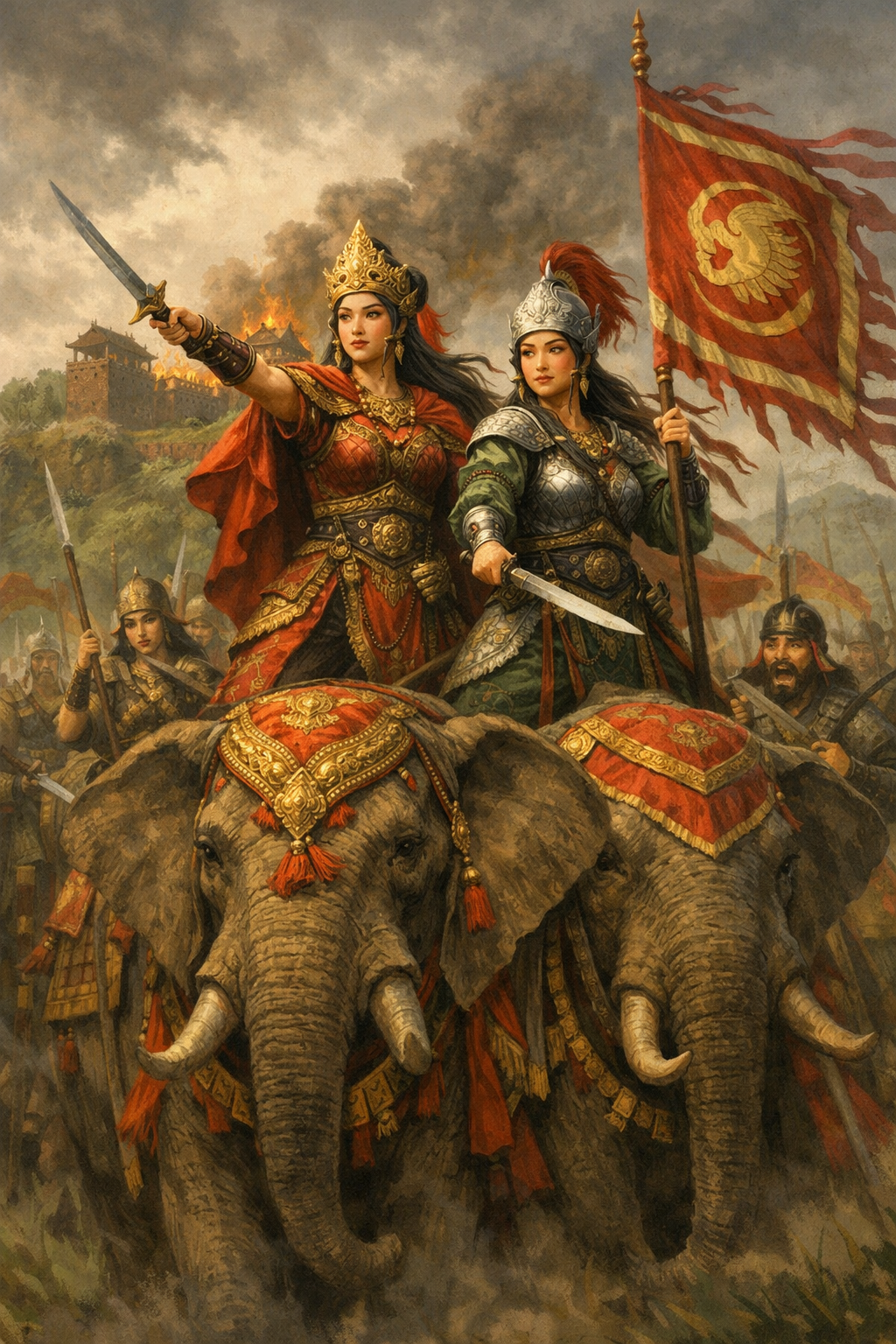
The Trưng Sisters in battle
AI-generated illustration
2. The First Written Testimonies: The Trưng Sisters (40 AD)
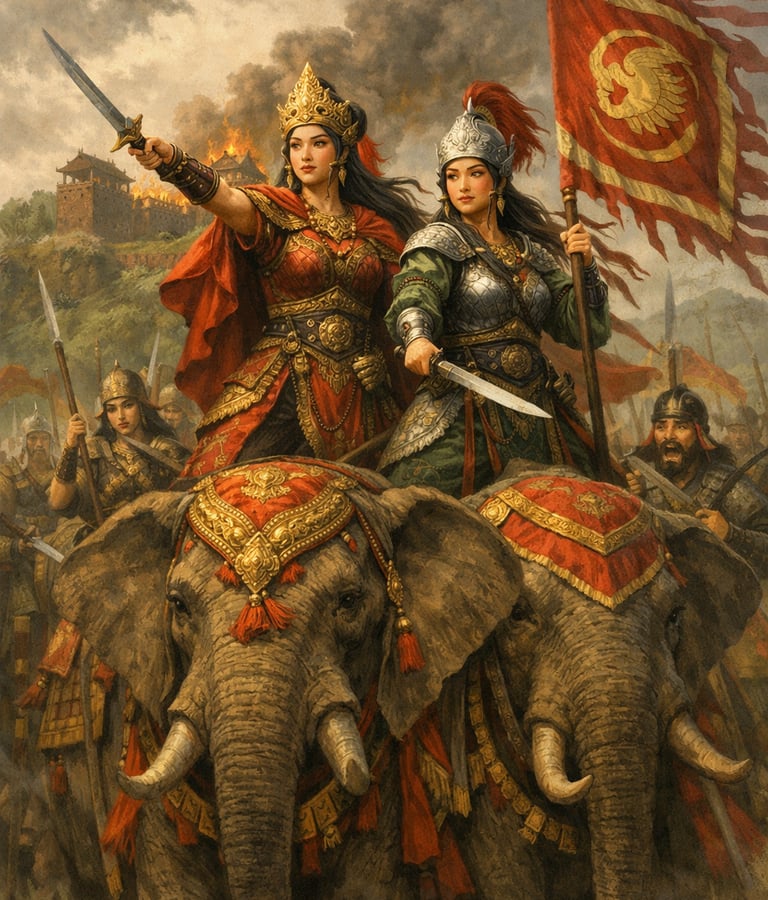
The first true historical reference to the use of indigenous martial training against a foreign invader concerns the rebellion of the Trưng Sisters (Hai Bà Trưng) against the Chinese Han dynasty in 40 AD.
Historical Evidence: Historical documents (including the annals of the Chinese Empire) confirm that the two sisters not only led a victorious rebellion but also trained an army composed largely of women (including the famous General Lê Chân). This demonstrates that martial practice was already codified, was not a prerogative of the nobility, and did not discriminate based on gender.
Reference Sources: Historical profile of the Trưng Sisters on Encyclopedia Britannica.
3. Military Codification: Lý and Trần Dynasties (11th – 14th Century AD)
he actual institutionalization of martial arts took place to form the imperial army and defend against invasions, particularly those of the Mongols.
Historical Evidence: In the 13th century, under the Trần Dynasty, the Giảng Võ Đường (the State Martial Academy) was established to train commanders. General Trần Hưng Đạo, famous for thrice repelling the Mongol army, wrote the renowned military treatise Binh Thư Yếu Lược (Essential Compendium of Military Art) during this period. This work laid the foundations for the strategic and physical training of troops, linking local martial practice with theory for the first time.
Reference Sources: Historical notes on the life of General Trần Hưng Đạo and his military text.
4. The Cradle of Võ Cổ Truyền: The Tây Sơn Dynasty (18th Century)
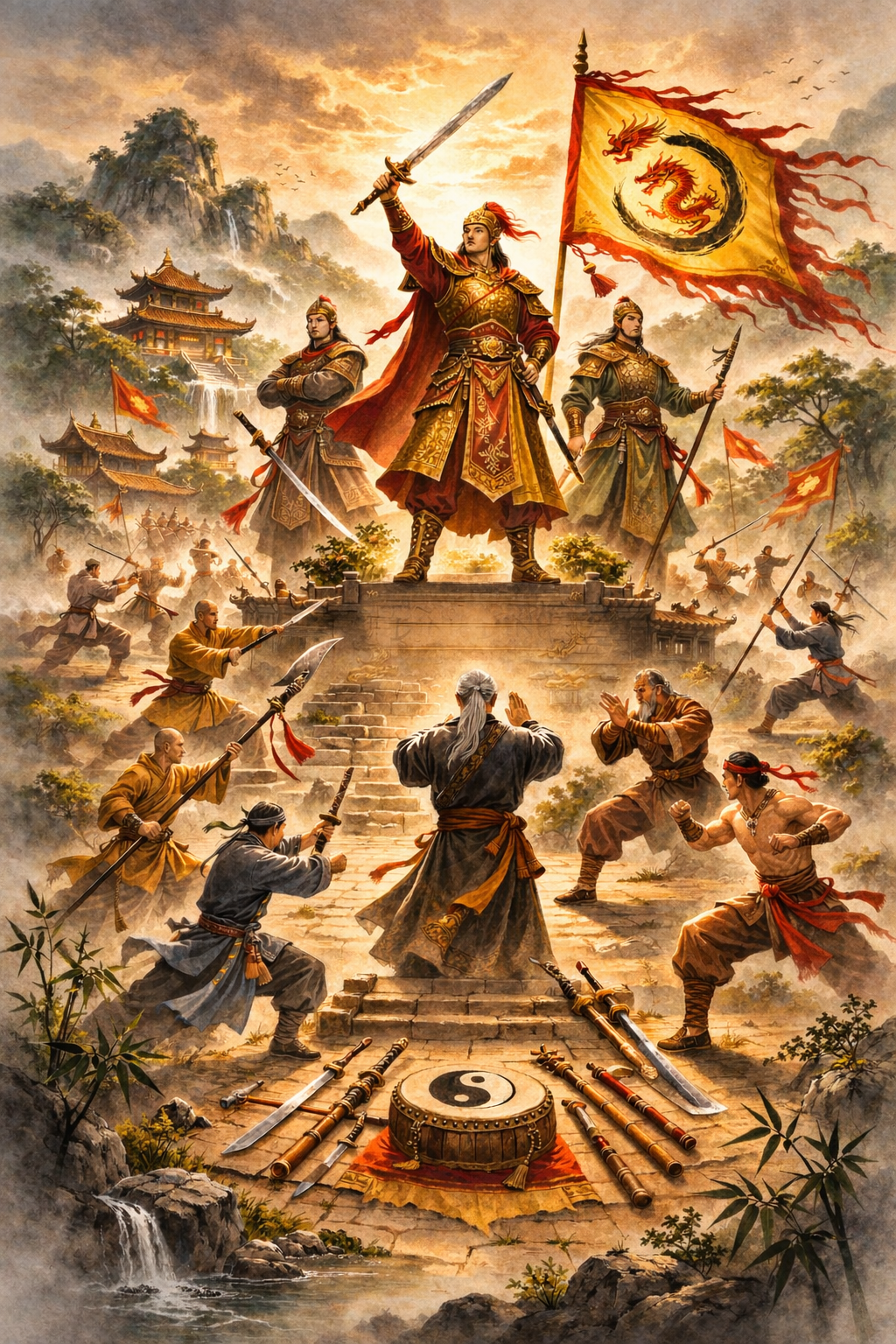
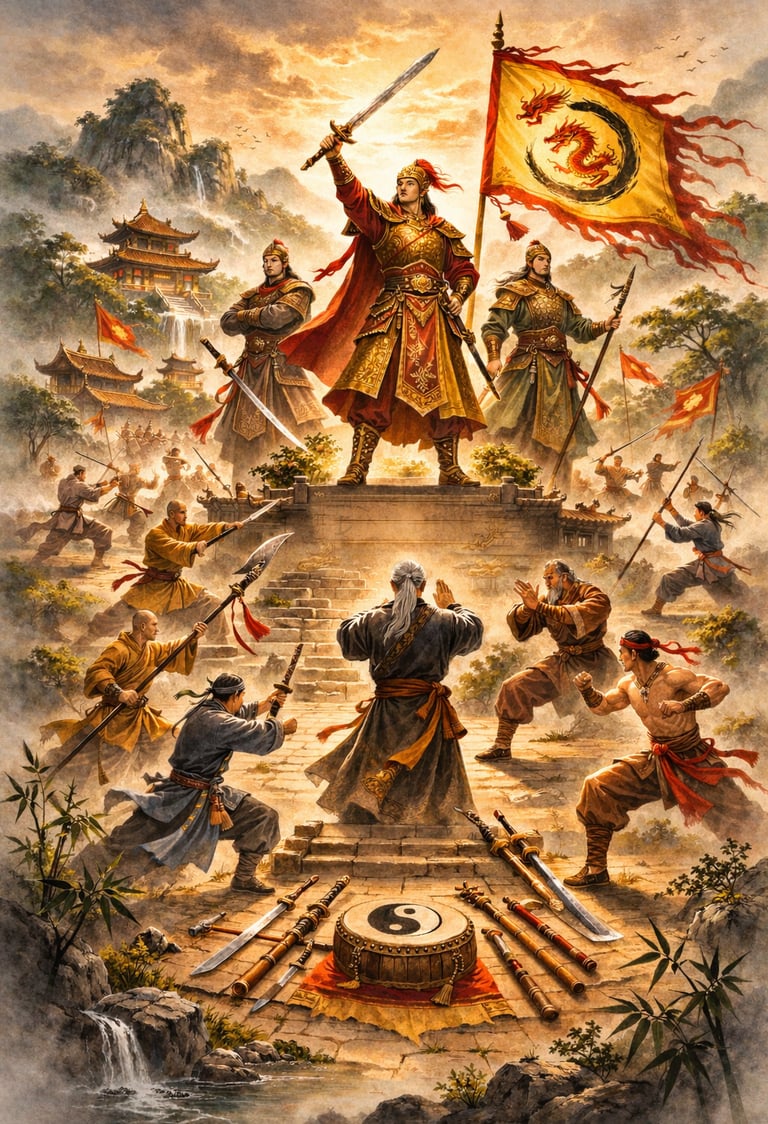
To trace the roots of what we now define as the codified form of traditional Vietnamese martial arts - Võ Cổ Truyền - it is necessary to go back to the historic Tây Sơn Rebellion of 1771.
Martial Unification: The Heritage of Bình Định
Historical evidence places the genesis of this system in the province of Bình Định. It was here that the three Tây Sơn brothers, including the legendary figure of the future Emperor Quang Trung (Nguyễn Huệ), performed an unprecedented work of synthesis:
Synthesis of Masters: They gathered the most skilled masters of arms from every corner of the country.
Codification: Fragmented popular techniques, refined fencing methods with cold weapons (such as the sword and halberd), and empty-hand combat systems were fused into a single, coherent body of doctrine.
Wartime Effectiveness: This unification was not merely for athletic purposes but aimed to create an elite military system capable of defeating numerically superior invading armies.
Historical Recognition and Today’s Relevance
Even today, the province of Bình Định is officially recognized by the Vietnamese government as the "beating heart" and the place of origin of classical martial arts. The Võ Bình Định style remains the fundamental pillar of Vietnam's intangible cultural heritage, celebrated for its pragmatism and technical depth.
Historical Note: The figure of Emperor Quang Trung is still revered by practitioners of Võ Cổ Truyền as a symbol of national independence and tactical genius applied to combat.
These sites are the benchmarks for academic and historical research in Vietnam:
Cục Thể dục thể thao (Department of Sports of Vietnam):
The official government portal for the management of national martial arts.
Bảo tàng Quang Trung (Quang Trung Museum - Bình Định):
The museum dedicated to the Tây Sơn dynasty in Bình Định. It is the primary source for 18th-century weaponry, iconography, and history.
Martial Unification in Bình Định
AI-generated illustration
The Formalization: International Việt Võ Đạo
At the end of the war (1975), the Vietnamese government decided to preserve this cultural heritage by entrusting its management to the relevant ministry. This led to the creation of the traditional martial arts federation: Liên Đoàn Võ Thuật Cổ Truyền Việt Nam.
In the West, the heritage of these schools was gathered and unified by International Việt Võ Đạo, a federation founded on 3rd November 1973 by the masters:
Nguyễn Đan Phú (Thanh Long School)
Bùi Văn Thịnh
Nguyễn Trung Hòa (Kim Long School)
Hoàng Nam (Wu Tao School)
Tasteyre Trần Phước (Hàn Bái School)
Phạm Xuân Tòng (Quản Kỳ School)
Phan Hoàng (Founding President, Nghĩa Long School)
The project developed a common program drawing from the technical background of historical schools such as: Sa Long Cương, Thanh Long, Vovinam, Nghĩa Long, Hàn Bái, Quản Kỳ e Thiên Môn.
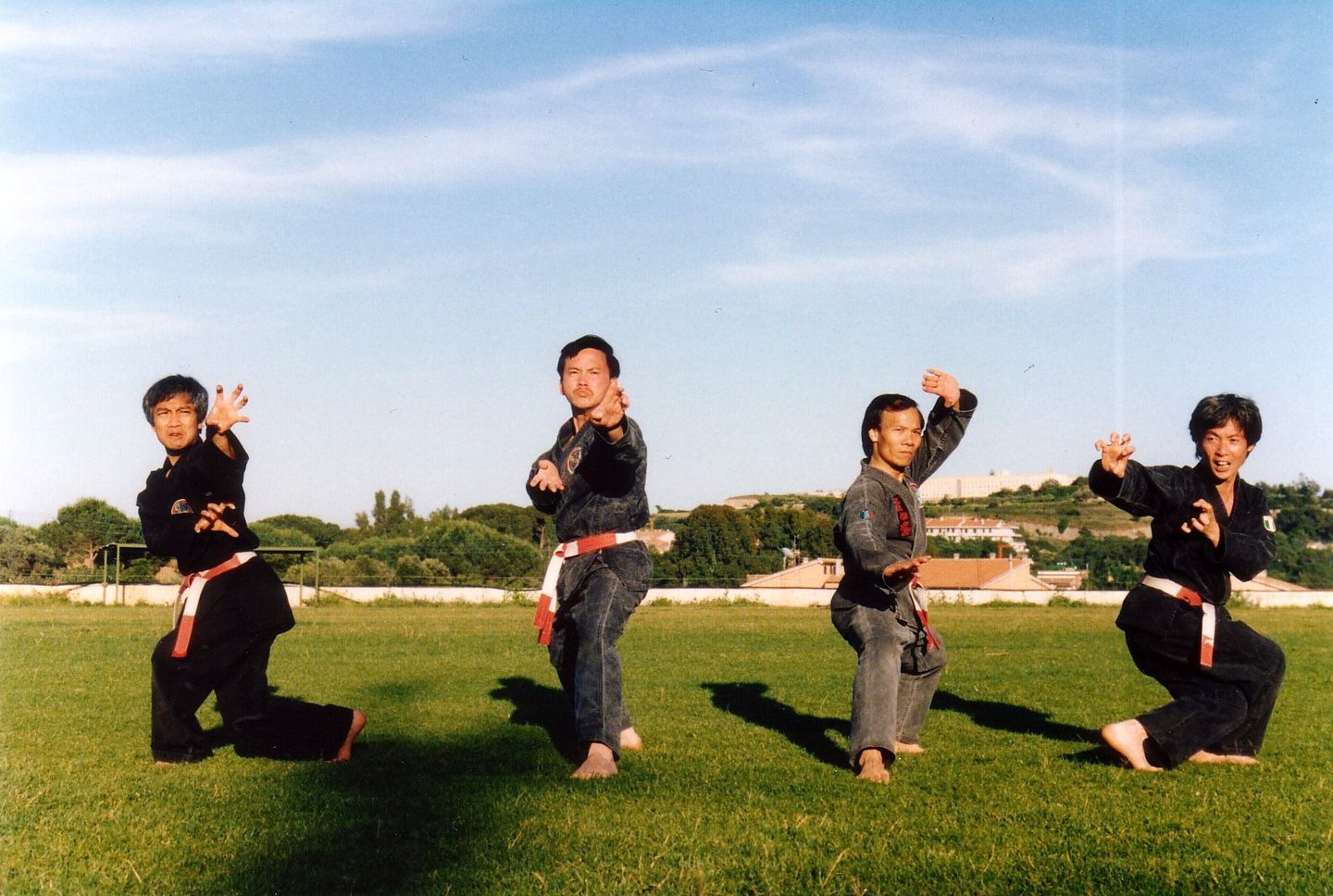
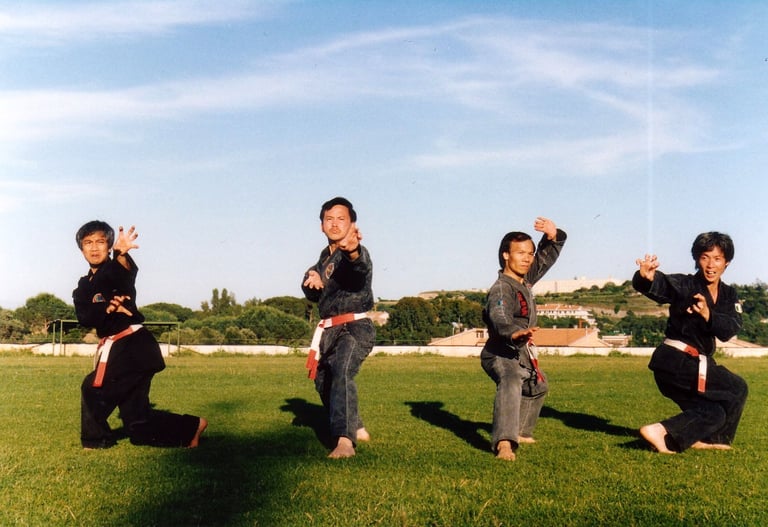
Nguyễn Thiện Chinh, Đỗ Long, Nguyễn Văn Việt, Bảo Lan - 1993
Technical and Philosophical Foundations
The philosophy of Việt Võ Đạo is distinguished by its pragmatic nature, aiming for the development of the "True Man": an individual who is balanced, upright, and actively useful to society. This ideal is encapsulated in the founding motto: "To be strong – To be useful" (Hùng Mạnh – Hữu Ích). In this vision, the development of physical strength is not an end in itself, but represents the indispensable foundation and vital support for nurturing high intellectual and spiritual activity.
The discipline is based on the doctrine of Tam Tài (the "Three Powers"), which symbolizes the cosmic harmony of the Heaven - Earth - Man triad (Thiên – Địa – Nhân). At the individual level, this principle translates into the pursuit of a perfect equilibrium between Intellect, Body, and Spirit. Practice is governed by the dynamic interaction between Âm (the negative, flexible, and receptive principle) and Dương (the positive, solid, and active principle).
The technical repertoire is extremely vast, integrating sophisticated attack techniques, defensive maneuvers, and tactical strategies. Every movement is structured to maximize martial effectiveness, allowing the practitioner to prevail through precision and energy management, regardless of the use of brute force.
A Glimpse into the Future: Evolution and Integration
The future of Việt Võ Đạo is shaped by a constant process of research and refinement:
Universality: Although its origins are Vietnamese, Việt Võ Đạo aspires to be a heritage for the "World of Peoples Without Borders," transcending all political or religious barriers to form the "True Man."
Social Adaptation: The discipline evolves in relation to the changes in modern society, integrating millennial tradition with scientific approaches to education and psychophysical well-being.
Update and Research: The Masters maintain constant contact with Vietnam and the members of Liên Đoàn Võ Thuật Cổ Truyền Việt Nam to enrich the technical program, respecting the principles of universal evolution.
In summary, Việt Võ Đạo looks to the future as a "Way of Life" (Võ Đạo), an educational method aimed at the realization of balanced human beings who are useful to the global community.
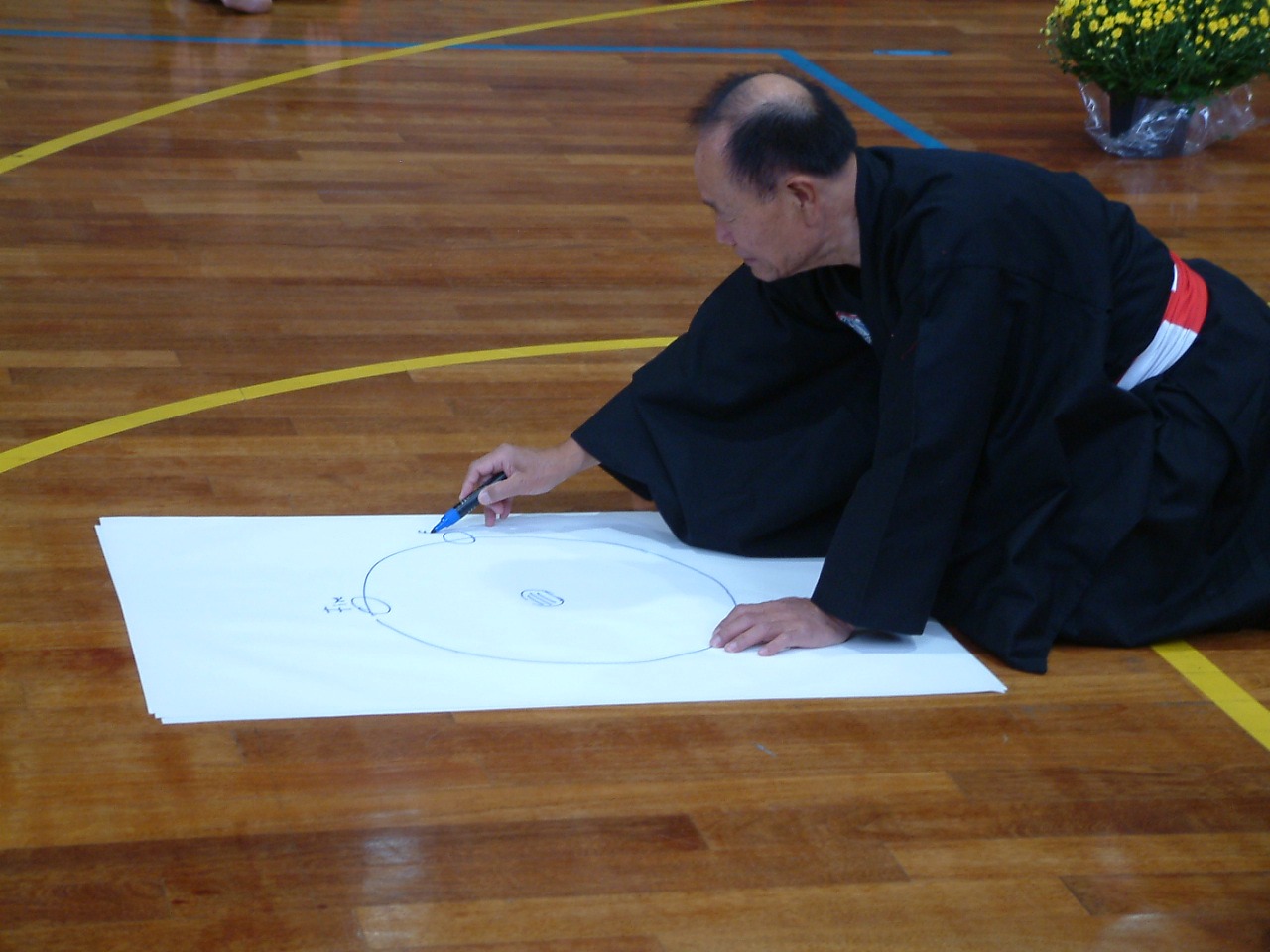
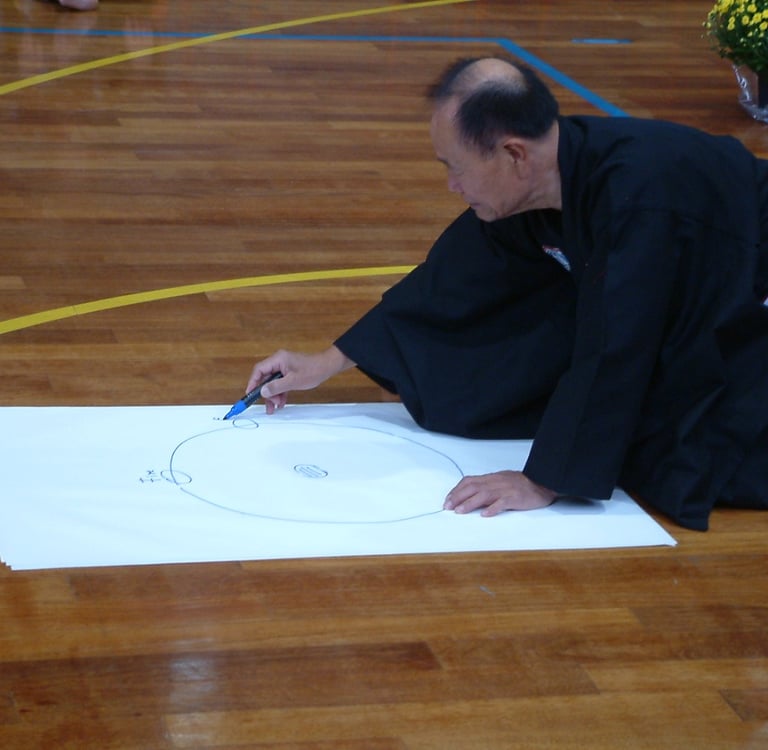
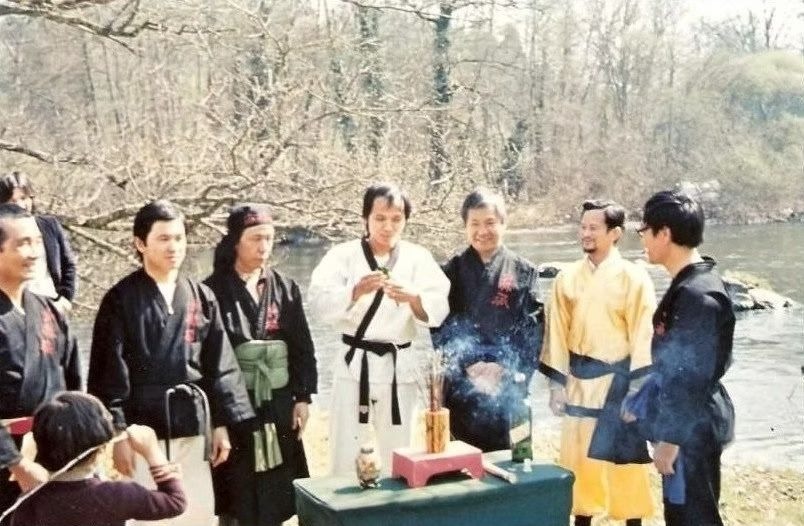
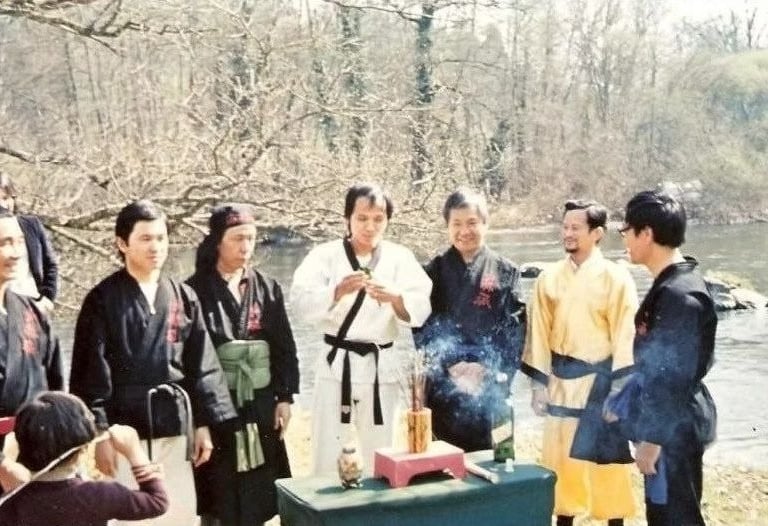
Limoges, April 1st 1973 - Cerimony of the Creation of Việt Võ Đạo
Grand Master Phan Hoàng during a philosophical lecture
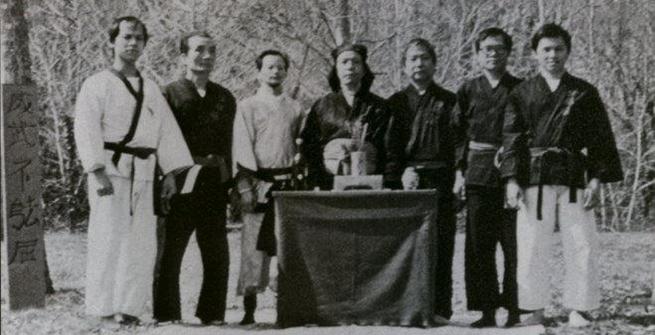
Founders of International Việt Võ Đạo – 1973
Việt Võ Đạo Around the World
Grand Master Phan Hoàng’s work was fundamental to the expansion of Vietnamese martial arts in the West. Two main phases can be distinguished: the historical phase of International Việt Võ Đạo (1970s) and the more recent phase specific to Võ Việt and the Việt Chí System.
Europa (Il nucleo storico)
The expansion officially began in 1973 with the founding of the Federation in Limoges.
France: The starting point and historical headquarters of the first federation, where masters such as Nguyễn Dân Phú, Bùi Văn Thịnh, and Phan Hoàng himself operated. Later, Grand Master Đỗ Long became one of the "operational pillars" who elevated Việt Võ Đạo during the 1970s and 80s, eventually becoming a wise guardian of tradition within French sporting institutions until his passing in 2019.
Italy: One of the countries with the strongest following, thanks to the arrival in the 1970s of historical masters who followed the international line, including Nguyễn Văn Việt, Bảo Lan, Nguyễn Thiện Chính, Trần Ngọc Định, and Ngô Quốc Việt.
Portogallo: Grand Master Trần Hữu Hà is considered the "Father" of Việt Võ Đạo in Portugal. Arriving in Europe, he settled in Lusitanian lands (primarily in the Lisbon area) in the early 1980s, beginning a widespread teaching mission that deeply rooted Vietnamese martial arts in the country.
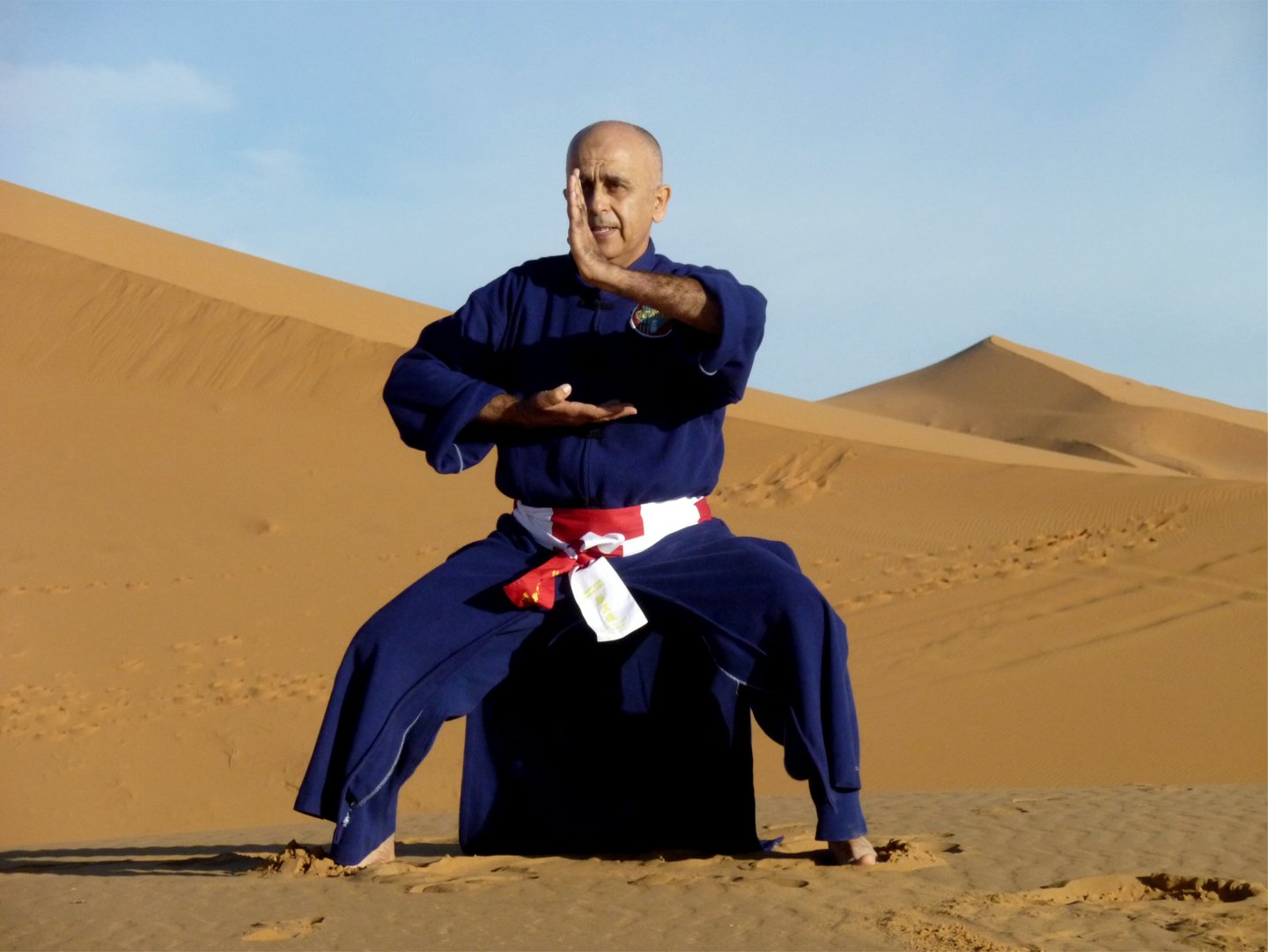
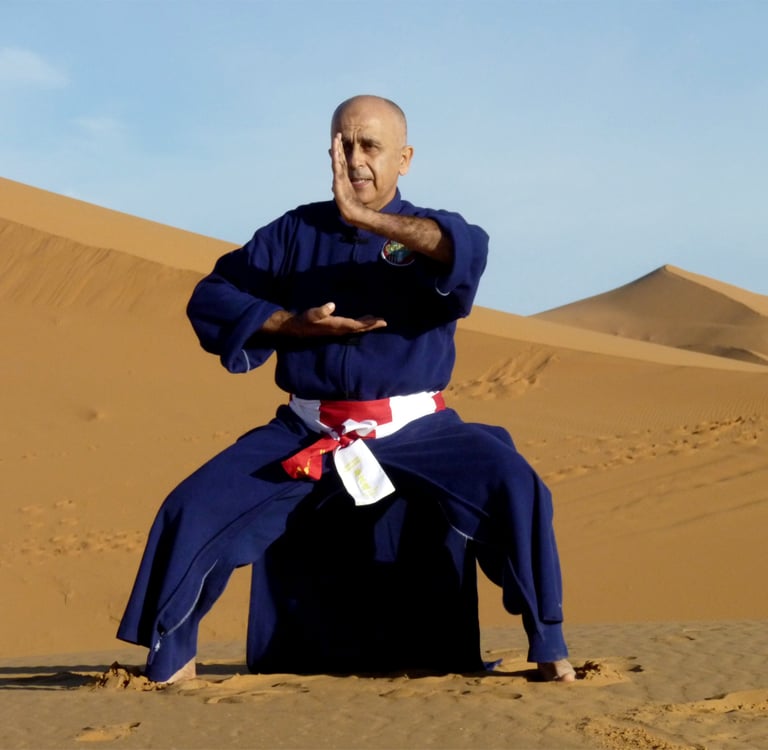
Grand Master Mohammed Ben Ali
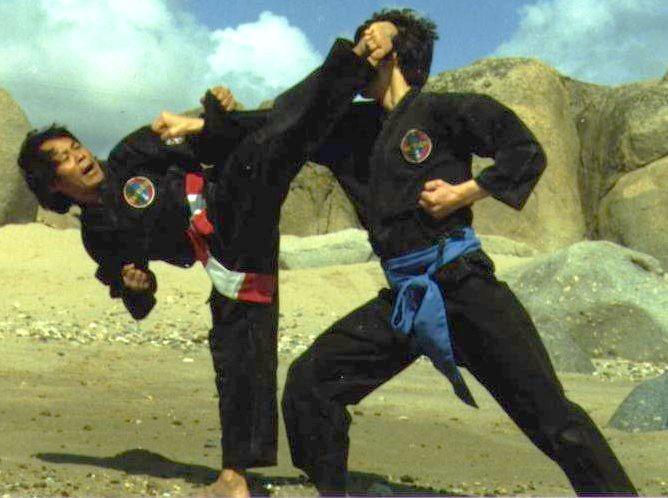
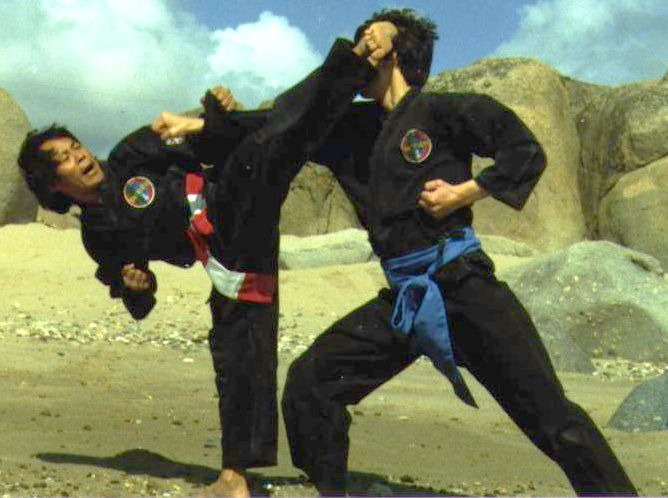
Grand Master Trần Hữu Hà
Germany: Trần Việt Tùng and Nguyễn Tiến Hội contributed to making Germany one of the most respected European nations in the Vietnamese martial arts landscape, keeping the spirit of classical 1970s and 80s Việt Võ Đạo alive.
Switzerland: Part of the territory, particularly the Geneva area (Troinex) and Romandy, was one of the cradles of Việt Võ Đạo in Europe, maintaining a direct link with Grand Master Phan Hoàng.
Morocco: Grand Master Mohammed Ben Ali is a central figure for Việt Võ Đạo in Morocco and North Africa. Under his leadership, Morocco has become an important "bridge" between European and African Việt Võ Đạo. While many sub-Saharan African countries (such as Senegal and Burkina Faso) have roots dating back to the expansion of the 1970s, GM Ben Ali's work in Morocco has created a hub of high technical quality in the Maghreb, also keeping the practice of Việt Tài Chi alive.
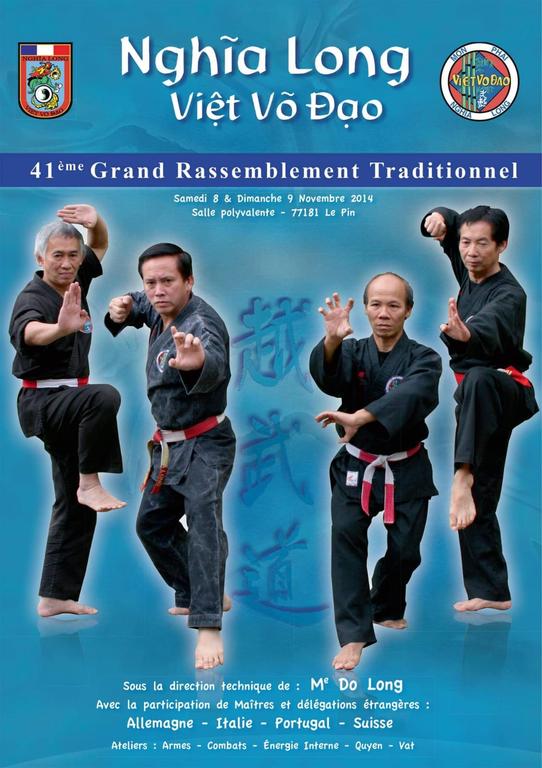
Trần Việt Tùng, Đỗ Long, Nguyễn Văn Việt, Bảo Lan
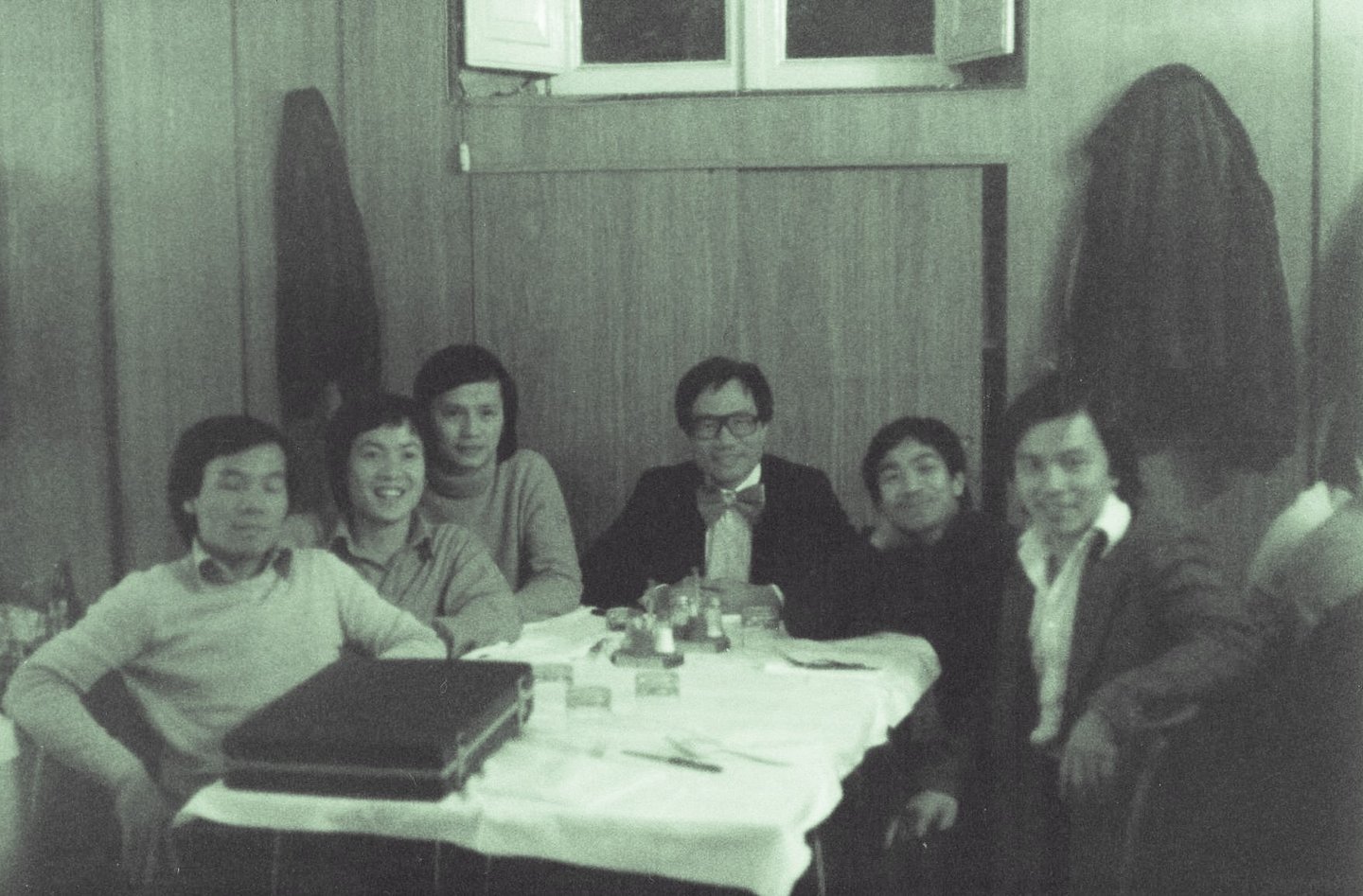
Việt Võ Đạo Italy
The first teachings of Việt Võ Đạo in Italy came to life in 1975.
Italy’s role was fundamental to the development of the discipline, successfully bringing together thousands of practitioners over time under a single organization.
Master Nguyễn Văn Việt, who arrived in Italy in 1971 to study medicine, was the pioneer of this art. In 1973, he established contact with the members of the newly formed Federation of Vietnamese Martial Arts in Europe; less than two years later, under the mandate of the International Federation, he began teaching in Rome. In rapid succession, Master Bảo Lan started a course in Padua, while Master Nguyễn Thiện Chính brought the teachings to life in Turin. These three figures represent the deep roots of the first Italian Organization of Vietnamese Martial Arts. Alongside this fundamental core, other masters of great significance contributed to enriching the landscape of Vietnamese martial arts in Italy, including masters Trần Ngọc Định and Ngô Quốc Việt.
The Development in Italy in the Early 1970s
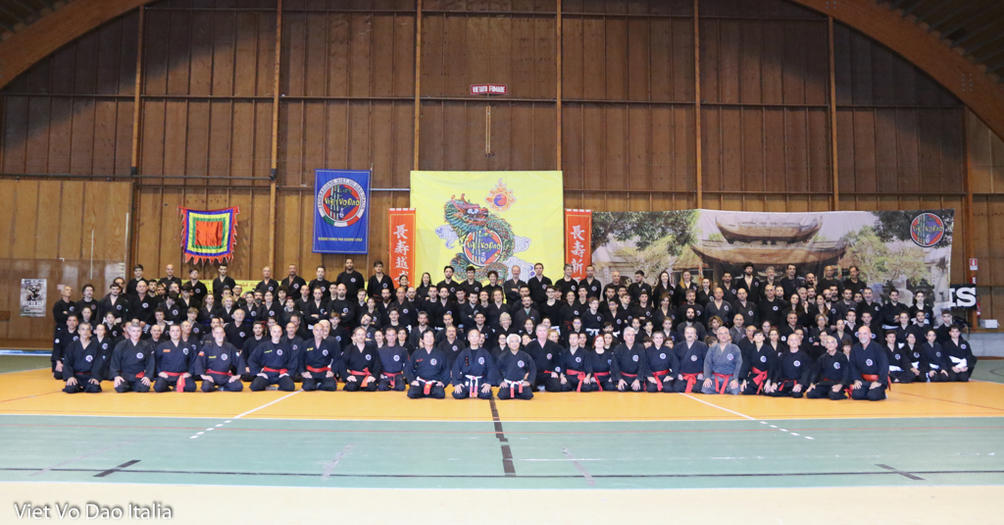
National Technical Seminar Việt Võ Đạo Italy
Contacts
Info
SUBSCRIBE TO OUR NEWSLETTER
© 2026. All rights reserved.